
Munnar’s Mystical Tea Gardens
Jun 19, 2026
Munnar’s Mystical Tea Gardens
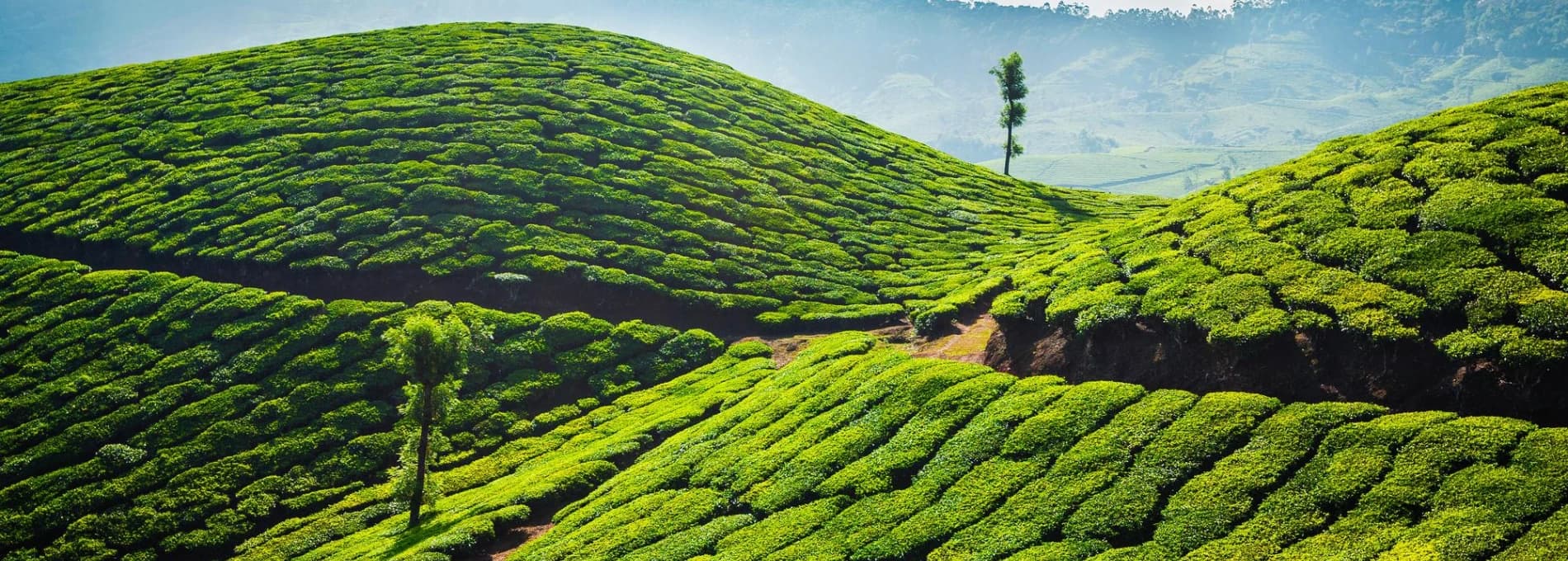
Journey through the misty hills and lush tea estates of Kerala's most famous hill station. Nestled high in the Western Ghats, Munnar is a serene paradise where endless carpets of emerald-green tea plantations meet the swirling morning fog. Whether you are an avid adventurer, a nature lover, or someone looking to escape the hustle of city life, these mystical hills offer a refreshing sanctuary.
The Magic of the Green Carpets
Walking through the neatly manicured tea estates of Munnar feels like stepping into a living painting. The crisp, mountain air is subtly infused with the fresh aroma of tea leaves. Historically developed during the British era, these vast plantations—including the famous Harrison Malayalam and Tata Tea estates—stretch as far as the eye can see, clinging beautifully to the contours of the rolling hills.
Must-Visit Highlights in Munnar
- The Tea Museum: Learn about the fascinating evolution of tea processing in the region, from the rudimentary rollers of the late 19th century to modern fully automated factories.
- Eravikulam National Park: Located just a short drive from the tea gardens, this park offers panoramic views of the plantation-covered valleys and a chance to spot the endangered Nilgiri Tahr.
- Mattupetty & Kundala Lakes: Serene water bodies flanked by steep hills and tea fields, perfect for a quiet afternoon boat ride.
Traveler's Tip: To experience the true mystery of Munnar, wake up early. Head to a vantage point like Lockhart Gap or Top Station around 6:00 AM to watch the sunrise pierce through the heavy blankets of mist blanketing the green estates.
Sip, Relax, and Unwind
Related Stories

Kerala Backwater Guide
Kerala Backwater Guide: Navigating the Emerald LabyrinthsThe backwaters of Kerala are a world-renowned network of interconnected canals, rivers, lakes, and inlets that parallel the Arabian Sea coast. Formed by the action of waves and shore currents creating low barrier islands, this tranquil ecosystem offers one of the most serene and enchanting travel experiences in all of Asia. A journey through these glassy, palm-fringed waters is the ultimate way to slow down and experience "God's Own Country" at its most authentic pace.The Quintessential Houseboat ExperienceNo trip to the backwaters is complete without spending a night on a Kettuvallam (traditional Kerala houseboat). Originally used to transport rice and spices across the state, these wooden vessels have been meticulously converted into floating luxury suites.Life Onboard: As your boat glides past villages, you can lounge on the open deck, watch the local fishermen cast their nets, and observe everyday life along the banks.Authentic Cuisine: Your stay includes a private onboard chef who prepares traditional, spicy Kerala delicacies—such as freshly caught Pearl Spot fish (Karimeen Pollichathu) and local red rice—served fresh on banana leaves.Top Backwater Destinations to ExploreAlleppey (Alappuzha): Widely celebrated as the "Venice of the East," Alleppey is the most famous hub for houseboats and hosts the legendary Nehru Trophy Boat Race every August.Kumarakom: Situated on the massive Vembanad Lake, Kumarakom offers a quieter, more luxurious resort-style backwater experience alongside a sprawling bird sanctuary.Kollam (Quilon): For those looking to escape the crowds, the eight-hour cruise between Alleppey and Kollam is the longest and most untouched backwater stretch in Kerala.Traveler's Tip: While houseboats are perfect for overnight stays, rent a smaller shikhara boat or a kayak for a few hours if you want to explore the narrow, shallow canals where larger houseboats cannot navigate. This gets you up close to the local village life.The Best Time to VisitThe ideal window to navigate the backwaters is between October and March, when the weather is pleasantly cool and dry. While the monsoon season (June to September) brings heavy rains, it also transforms the surrounding landscapes into an incredibly vibrant, dramatic shade of green that travelers looking for quiet solitude will absolutely adore.

Varkala: Cliffside Paradise
Varkala: Cliffside ParadiseWhere the rugged earth dramatically meets the Arabian Sea, Varkala stands out as one of Kerala’s most unique and breathtaking coastal destinations. Unlike the flat, palm-fringed beaches found elsewhere in the state, Varkala is famous for its striking red laterite cliffs that stand tall right next to the shoreline. This captivating landscape, paired with a laid-back bohemian vibe, makes it an absolute paradise for backpackers, peace-seekers, and nature lovers alike.The Iconic Varkala Cliff and Papanasam BeachThe heart of all activity in Varkala revolves around the famous North Cliff. A narrow pathway winds along the edge of the cliff, lined with vibrant cafes, seafood restaurants, yoga studios, and shops selling everything from colorful beachwear to handmade silver jewelry.Papanasam Beach: Located directly beneath the towering cliffs, the golden sands of this beach are considered sacred. It is believed that a dip in these holy waters washes away all sins, giving the beach its name ("Papanasam" translates to redemption from sins).The Cliff Sunset: There is nothing quite like grabbing a seat at a cliffside cafe in the late afternoon, sipping on a fresh tender coconut or iced coffee, and watching the sun dip below the ocean horizon, painting the sky in brilliant hues of pink and gold.Beyond the Beach: Culture and SerenityWhile the beach is the main draw, Varkala is deeply rooted in spiritual and historical heritage:Janardhana Swamy Temple: Overlooking the beach, this 2,000-year-old temple dedicated to Lord Vishnu brings a serene, spiritual aura to the town and attracts pilgrims from all over the country.Sivagiri Mutt: Located just a short drive inland, this is the final resting place of the revered social reformer and saint, Sree Narayana Guru. It remains a peaceful sanctuary for meditation and spiritual reflection.Kapil Lake & Beach: A few kilometers north of the main cliff, this hidden gem is where the tranquil backwaters meet the sea. You can take a scenic boat ride or simply drive along the coastal road separating the lake and the ocean.Traveler's Tip: Varkala is a premier hub for wellness. Consider signing up for an early morning yoga session on the cliff or treating yourself to an authentic Ayurvedic massage at one of the certified wellness centers around town.A Feast for the SensesAs night falls, the cliffside comes alive with ambient music and candlelit tables. Restaurants display the fresh catch of the day—ranging from red snapper and kingfish to tiger prawns—which you can get grilled to perfection with local Kerala spices. Whether you are looking to catch a wave, dive into spirituality, or simply unwind to the sound of crashing waves, Varkala delivers an unforgettable coastal escape.

Kochi’s Cultural Tapestry
Kochi’s Cultural TapestryA vibrant melting pot of history, art, and traditions, Kochi (formerly Cochin) stands as the glowing crown jewel of Kerala’s coastal heritage. For centuries, this historic port city has welcomed traders, explorers, and travelers from across the globe—including the Arabs, Chinese, Portuguese, Dutch, and British. Today, Kochi seamlessly weaves its storied colonial past with a bustling, modern art scene, making it a captivating destination for every culture enthusiast.The Historic Enclaves of Fort Kochi and MattancherryStepping into Fort Kochi feels like walking through a living museum. The tree-lined avenues are adorned with centuries-old colonial bungalows, quaint cafes, and striking street art.The Iconic Chinese Fishing Nets: Lining the beachside, these massive cantilevered structures—introduced by traders from the court of Kublai Khan—remain a timeless symbol of Kochi's ancient trade links.Mattancherry Palace (The Dutch Palace): Built by the Portuguese and later renovated by the Dutch, this palace features stunning murals showcasing scenes from Hindu epics alongside portraits of the Cochin royals.Jew Town and the Paradesi Synagogue: Walk through the narrow lanes of Jew Town, filled with the aroma of ginger, cardamom, and antique shops, to reach the oldest active synagogue in the Commonwealth, famous for its hand-painted Chinese porcelain tiles.A Stage for Classical Arts and Modern ExpressionKochi is a premier destination to experience Kathakali, Kerala’s classical dance-drama. Watching the artists undergo elaborate makeup rituals before performing stories from ancient mythology through striking expressions and mudras is an unforgettable experience.Beyond its ancient heritage, the city proudly hosts the Kochi-Muziris Biennale, India’s largest contemporary art exhibition, transforming the city into a global canvas where heritage properties serve as stunning galleries for international artists.Traveler's Tip: The best way to soak in Kochi's culture is on foot or by renting a bicycle. Spend an evening walking down the Fort Kochi beach promenade at sunset to see the silhouettes of the fishing nets against a golden sky.The Culinary BlendNo cultural exploration is complete without tasting the local cuisine. Kochi’s food scene is heavily influenced by its history. From traditional Kerala sadhya served on banana leaves to Anglo-Indian delicacies and fresh seafood cooked to order right next to the fishing nets, your tastebuds will experience the exact same cultural fusion that defines the city.